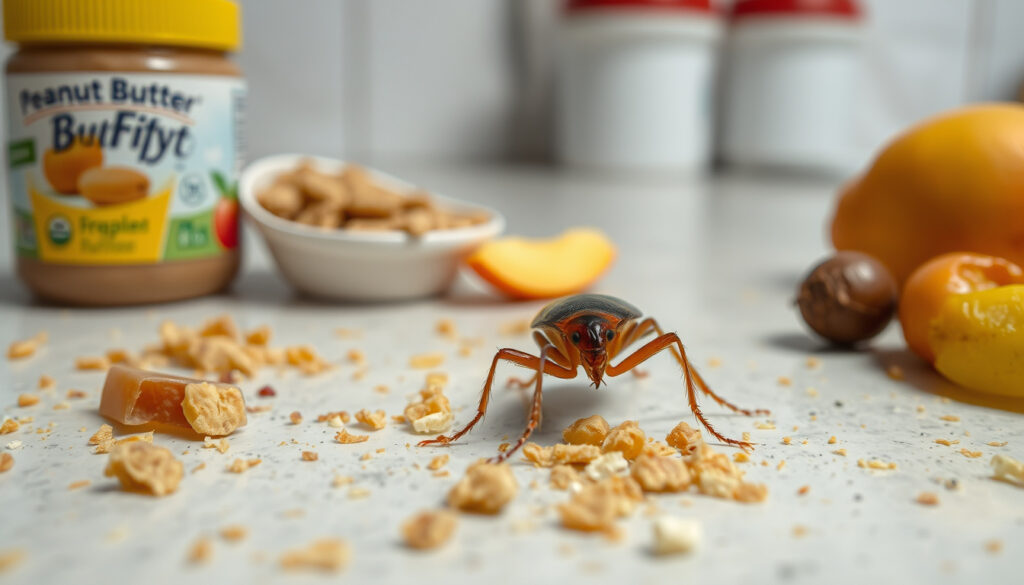
What Do Cockroaches Eat? Diet, Favorite Foods & Facts
Few household pests spark as much curiosity as the cockroach. If you’ve ever wondered what these resilient insects actually eat, you’re not alone—they’re known to consume everything from leftover pizza to wallpaper glue. According to Orkin (pest control experts), cockroaches are omnivorous scavengers that will eat just about any organic material they come across, from food scraps to paper and even hair. This guide breaks down their surprising diet and what it means for your home.
Cockroach diet type: Omnivorous scavenger ·
Number of cockroach species worldwide: 4,600 ·
Survival without food: Up to 1 month ·
Preferred foods: Sweets, starches, meats ·
Reproduction rate per female per year: Up to 400 offspring
Quick snapshot
- Sweets, starches, meats (Orkin)
- Greasy and fermented food (All South Pest Control)
- Soap, paper, glue (Orkin)
- Peppermint, eucalyptus, citrus (Orkin)
- Dry, bright environments (All South Pest Control)
- Clean surfaces (Pest World for Kids)
- Rarely bite humans (Orkin)
- Squishing spreads bacteria (PubMed Central (academic research))
- Can trigger allergies and asthma (PubMed Central)
Seven key facts about cockroach diet and biology paint a clear picture of their adaptability.
| Fact | Value |
|---|---|
| Number of species | 4,600 |
| Species in US | ~70 |
| Oldest fossil | 350 million years |
| Food preference | Sweets, starches, meats |
| Survival without food | Up to 1 month |
| Survival without water | 1 week |
| Reproduction rate | Up to 400 offspring/year per female |
What Do Cockroaches Eat?
What do cockroaches eat and drink?
- Cockroaches are omnivorous scavengers that consume any organic matter, including food scraps, paper, soap, hair, and dead insects (Orkin).
- They need water more than food; they can survive without food for up to a month but only about a week without water (Orkin).
- In addition to kitchen scraps, they will feed on sewage, decaying wood, and even glue (Orkin).
What do cockroaches eat in the wild?
- In natural habitats, cockroaches eat plant matter, other insects, and decaying organic material (Pest World for Kids (pest education resource)).
- American cockroaches feed on plant matter and other insects; brownbanded cockroaches prefer starchy materials like wallpaper paste and book bindings (Pest World for Kids).
- Some species living on dead trees consume decaying wood (Orkin).
Do cockroaches eat humans?
- Cockroaches rarely bite humans; bites are usually defensive or occur during severe infestations when food is scarce (Orkin).
- They may nibble on dead skin cells or fingernails but do not actively seek human flesh (All South Pest Control).
Cockroaches are nature’s cleanup crew, but their indiscriminate diet means they bring bacteria from sewers and garbage into your home. A single visit to your pantry can contaminate surfaces with Salmonella and other pathogens, according to PubMed Central.
The implication: a cockroach’s feeding habits directly link sanitation to health risk in every home.
What is a cockroaches’ favorite food?
Sweets, starches, and meats
- Cockroaches strongly prefer sweets, starches, and meats (Orkin).
- They are particularly attracted to sugary spills, syrups, overripe fruit, and greasy foods around cooking areas (All South Pest Control).
- Starchy foods like bread, pasta, rice, and potatoes are also high on their menu (All South Pest Control).
Do cockroaches prefer certain foods?
- Yes—they rank sweets and starches above other organic matter when multiple options are available (Orkin).
- They will also consume cheeses, pet food, and fresh vegetables (All South Pest Control).
- When preferred foods are scarce, they switch to non‑food items like soap, wallpaper glue, and cardboard (All South Pest Control).
The takeaway for homeowners: keep counters free of crumbs and sugary residue. Roaches are drawn to the same ingredients we use daily, so sealing food containers and wiping up spills is your first line of defense. For tips on organizing your pantry to reduce pest attraction, see our guide on How to Organize Kitchen Pantry.
The pattern: deny roaches their preferred foods and they lose their strongest incentive to invade.
What do cockroaches absolutely hate?
Scents that repel cockroaches
- Strong scents like peppermint, eucalyptus, citrus, and bay leaves are known to deter cockroaches (Orkin).
- They also avoid dry, bright, and clean environments (All South Pest Control).
- Common repellents include diatomaceous earth and boric acid, which damage their exoskeleton or digestive system (Pest World for Kids).
Natural repellents
- Essential oils such as peppermint and tea tree oil can be mixed with water and sprayed in roach‑prone areas (Pest World for Kids).
- Bay leaves placed in cabinets are a traditional home remedy, though effectiveness varies (All South Pest Control).
- Maintaining a clean, dry environment with no exposed food is the most reliable deterrent (Orkin).
The catch: natural repellents help but only a clean, dry home tackles the root cause.
Why should you never squish a cockroach?
Why squishing is a bad idea
- Squishing a cockroach releases bacteria, allergens, and pathogens into the air (PubMed Central).
- This can trigger asthma attacks and spread diseases like Salmonella and E. coli (PubMed Central).
- It also invites more roaches: the crushed body releases pheromones that attract other cockroaches (Orkin).
Proper disposal methods
- Use a vacuum with a HEPA filter to capture the roach without crushing it (Orkin).
- Sticky traps or insecticide sprays are safer alternatives (All South Pest Control).
- Always promptly clean the area with disinfectant after removal (Pest World for Kids).
Many household sprays only kill the roach you see, while the eggs and hidden colony remain. A targeted approach—like gel baits from a licensed pest control operator—is far more effective than squashing a single bug.
What this means: proper disposal reduces immediate health risks, but professional treatment addresses the colony.
Can roaches bite you?
Do cockroaches bite humans?
- Cockroaches rarely bite humans; bites are usually defensive or occur during severe infestations when food is scarce (Orkin).
- Bites may happen at night while people sleep, particularly on fingernails, eyelashes, and dead skin (All South Pest Control).
- These bites are not dangerous but can cause mild irritation and secondary infections (Pest World for Kids).
When do cockroaches bite?
- Bites are more likely when infestations are large and food sources are limited (Orkin).
- Extreme hunger can drive roaches to nibble on human skin, but this is extremely rare (All South Pest Control).
- Preventing bites means controlling the infestation—seal cracks, reduce clutter, and remove food sources (Pest World for Kids).
The pattern: bites are a symptom of severe infestation, not a normal roach behavior.
Confirmed facts
- Cockroaches are omnivores (Orkin)
- They prefer sugars and starches (Orkin)
What’s unclear
- Whether cockroaches actively seek out human food at night vs other times
- Exact nutritional benefits of eating cockroaches (if any)
- Squishing spreads bacteria and allergens (PubMed Central) — mechanism confirmed, but public health impact scale remains debated
“Cockroaches are omnivorous scavengers and will consume any organic food source available to them.”
Orkin (pest control experts)
“Sweets, starches and animal proteins are a roach’s favorite foods.”
For homeowners, the choice is clear: seal off entry points, eliminate moisture, and deny roaches their favorite foods—or face an infestation that can spread disease and trigger allergies. A single female German cockroach can produce up to 400 offspring a year, so early action isn’t just smart; it’s essential. For professional support, explore Commercial and Industrial Cleaning Services to maintain a pest-resistant environment.
roachforum.com, large.stanford.edu, dubideli.com, youtube.com, terminix.com, bredapest.com, terminixnola.com, pestworld.org
Frequently asked questions
Do cockroaches eat paper?
Yes, cockroaches will eat paper, especially if it contains starches or glue. They are attracted to cardboard, wallpaper, and book bindings (Orkin).
Do cockroaches eat soap?
Yes, they can consume soap, particularly bar soap made from animal fats or glycerin (All South Pest Control).
Do cockroaches eat dead cockroaches?
Yes, cockroaches exhibit cannibalism, especially when food is scarce. They will feed on dead roaches for protein (PubMed Central).
Do cockroaches eat plastic?
Some cockroaches can feed on certain plastics, including plastic insulation. This is more common in severe infestations (PubMed Central).
What do baby cockroaches eat?
Baby cockroaches (nymphs) eat the same foods as adults: organic matter, crumbs, and starches. They also feed on the feces of adult roaches to obtain gut bacteria for digestion (Pest World for Kids).
Do cockroaches eat fruit?
Yes, cockroaches are strongly attracted to overripe fruit, fruit juices, and any sugary plant material (All South Pest Control).
Can cockroaches eat through cardboard?
They can chew through cardboard to access food inside. Cardboard also provides harborage, so store food in hard plastic or glass containers (Orkin).
Do cockroaches eat pet food?
Yes, pet food left out overnight is a major attractant. Dry kibble, especially high‑protein varieties, is a perfect meal for roaches (All South Pest Control).
More related posts
 New Zealand Permanent Residency: Requirements and How to Apply
 How to Know If Eggs Are Off – Simple Tests and Signs
 NZTA Wellington Public Transport Revenue Targets: 2025 Updates
 Fish Cakes Recipe NZ: Traditional, Easy & Crispy Guide
 Bay of Islands Accommodation: Best Paihia & Kerikeri Stays
 Hole in the Rock: Phoenix, New Zealand & Utah Guide
 Houses for Sale in Raglan: UK & NZ Market Comparison
 Where to Find Cheap Flights Tips: 10 Proven Strategies (2025)