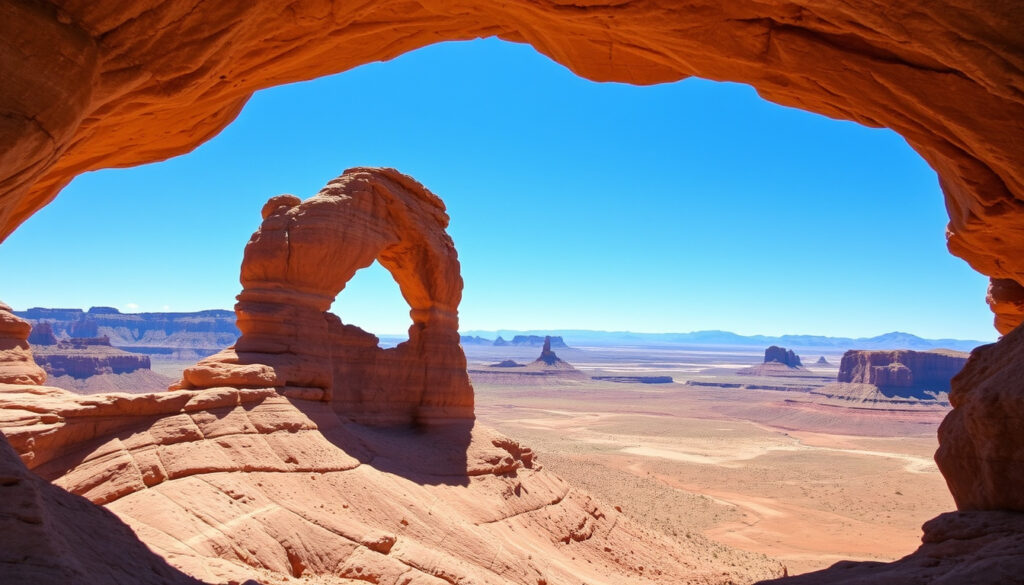
Hole in the Rock: Phoenix, New Zealand & Utah Guide
You might have stumbled across photos of a dramatic rock arch in New Zealand, a quick Phoenix hike with skyline views, and a quirky Utah roadside home — and realized they’re all called “Hole in the Rock.” It’s a name that pops up in completely different contexts, and figuring out which one matches your next trip can be confusing. This guide breaks down the four major sites that share the name, comparing the experience, the effort, and the history behind each one, so you can pick the right destination.
Number of named Hole in the Rock sites covered: 4 ·
Hole in the Rock (Papago Park) trail distance: 0.3 miles ·
Hole in the Rock (Papago Park) elevation gain: 45 feet ·
Hole in the Rock (Piercy Island) location: New Zealand ·
Hole N” The Rock (Utah) size: 5,000 square feet ·
Hole-in-the-Rock (Papago Park) hike time: 10 minutes
Quick snapshot
- 0.3 mile easy hike (Visit Phoenix tourism board)
- Natural sandstone openings (Visit Phoenix tourism board)
- City skyline views (Visit Phoenix tourism board)
- 10 minutes to the top (Visit Phoenix tourism board)
- Rock arch off the coast
- Accessible by boat tour
- Famous for dolphin sightings
- Stunning ocean views
- 5,000 square foot carved home
- Gift shop and trading post
- Roadside attraction
- Located near Arches National Park
- Mormon pioneer route
- San Juan County, Utah
- 1880 expedition
- Blast through solid rock
Six key facts at a glance to help you tell these landmarks apart:
| Fact | Value |
|---|---|
| Location (Phoenix) | Papago Park, Phoenix, Arizona |
| Location (New Zealand) | Motukōkako / Piercy Island, Bay of Islands |
| Location (Utah) | Near Moab, Utah |
| Phoenix trail length | 0.3 miles (0.5 km) |
| Phoenix elevation gain | 45 feet (14 m) |
| Utah attraction size | 5,000 square feet (465 m²) |
Why is the hole in the rock famous?
The name “Hole in the Rock” attaches to at least four distinct landmarks, each famous for a different reason. The best known among U.S. visitors is Hole-in-the-Rock in Papago Park, a natural geological formation in Phoenix that has become a go-to easy hike with panoramic city views. The City of Phoenix parks department describes it as a short dirt and step path that wraps around a sandstone butte to a large viewing hole.
Its fame also comes from its cultural layer: the site is widely associated with Hohokam solar observations, with the sun aligning through the opening at certain times of year, according to Visit Phoenix.
Which Hole in the Rock is the most popular in the US?
The most visited is likely the Papago Park location because of its easy access and Phoenix metro location. But the Hole N” The Rock near Moab, Utah — a 5,000-square-foot house carved into sandstone — draws steady crowds as a roadside curiosity. The Visit Utah tourism office lists it as a quirky stop near Arches National Park. A third historical site, the Hole in the Rock Expedition, is a pivotal Mormon pioneer route from 1880 where settlers blasted a passage through solid rock.
What makes the New Zealand location unique?
The Hole in the Rock (also known as Motukōkako / Piercy Island) off New Zealand’s coast is a natural rock arch that requires a boat tour to reach. It’s famous for dolphin sightings in the Bay of Islands and offers ocean views that the landlocked U.S. sites cannot match. The New Zealand attraction is a completely different experience — a marine wildlife tour rather than a hike or a museum stop.
The Phoenix site gives you a quick payoff with skyline views in 10 minutes. The New Zealand site gives you an ocean adventure but demands a half-day boat tour. For the traveler weighing time against spectacle, the choice depends entirely on how much effort you want to invest.
Why this matters: None of these sites compete directly — they serve very different trip styles. The Phoenix hole is a quick pit stop; the New Zealand arch is a full excursion; the Utah attraction is a family roadside stop; and the historical expedition is a route for history buffs.
How long is the hike to Hole in the Rock Phoenix?
The Hole-in-the-Rock Trail in Papago Park is extremely short. The Visit Phoenix tourism site lists the distance as 0.3 miles round trip. The City of Phoenix parks site confirms the route is a very short natural dirt and step path. Most hikers reach the main opening in 10 to 15 minutes, making it one of the easiest hikes with a view in the city.
Is the Hole in the Rock hike suitable for beginners?
- The trail is considered easy and accessible. The Phoenix Review says it works for families and beginner hikers.
- The HikeDesert trail guide notes uneven footing and recommends shoes with grip.
- The Outbound warns that the rocky path can cause trips or ankle twists.
- The elevation gain is about 45 feet (City of Phoenix) though Visit Phoenix notes the climb rises around 200 feet in 1/10 of a mile.
- Modern Hiker describes a backside route with man-made stairs.
How long does it take to reach the top?
At a normal pace, the round trip takes 20 to 30 minutes, according to HikeDesert. Many visitors complete it in under 20 minutes with a short stop at the top for photos. The best times to visit are fall and spring when temperatures are milder, as recommended by The Phoenix Review.
What is inside of Hole N” The Rock?
The Hole N” The Rock in Utah is a 5,000-square-foot home carved directly into a sandstone cliff by the Christensen family. The interior includes rooms, a gift shop, and a trading post. It is a roadside attraction located about 15 minutes from Moab, Utah, and near Arches National Park.
Can you visit the interior of Hole N” The Rock?
Yes — the interior is open to visitors. The attraction is a self-guided tour through the carved-out rooms, and the gift shop sells souvenirs and snacks. It is open year-round with seasonal hours. The official site bills it as a must-stop for those driving through southeastern Utah.
What exhibits are on display?
Displays include furniture carved from the rock, pioneer-era artifacts, and historical photographs of the Christensen family who excavated the home starting in the early 1900s. The exact year the carving began is not precisely documented, which is a common point of ambiguity among sources.
What is the history of the hole in the rock?
The history of the name spans three separate stories. The Papago Park formation in Phoenix was created by erosion of red sandstone over thousands of years. The City of Phoenix explains it is a natural opening in a butte, worn down by wind and water.
The Hole in the Rock Expedition was a Mormon settlement journey in the late 1800s. In 1880, a group of pioneers blasted a route through a rock crevice in San Juan County, Utah, to reach southeastern Utah. Meanwhile, the New Zealand rock arch off Piercy Island is a natural sea arch carved by wave action over centuries.
What is the origin of the Papago Park formation?
The formation is composed of red sandstone that was deposited during the Cretaceous period. Visit Phoenix notes that the hole itself may have been used by the Hohokam people for astronomical observations, adding a cultural dimension to the geology.
What is the Hole in the Rock Expedition?
This was an 1880 Mormon pioneer expedition to establish a settlement in southeastern Utah. The group blasted and chiseled a passage through a narrow rock crevice — the actual “hole in the rock” — to allow wagons to descend into a canyon. It remains a significant event in Latter-day Saint pioneer history.
Three entirely different origin stories — wind erosion, human excavation, and wave erosion — all produced something called “Hole in the Rock.” The name is coincidental, not meaningful, and that coincidence explains why online searches return such wildly different results.
Timeline of the Hole in the Rock Landmarks
- ~1880 — Hole in the Rock Expedition: Mormon pioneers create a passage through a rock crevice in Utah.
- Early 1900s — Hole N” The Rock in Utah begins as a small home carved into sandstone.
- 1930s — Papago Park established; Hole-in-the-Rock becomes a popular Phoenix landmark.
- 20th century — Motukōkako / Piercy Island recognized as a natural rock arch and tourist destination in New Zealand.
What this means: The timeline shows that the name arose independently in different eras and regions, with no connection between them. The most recent to become a tourist attraction is the New Zealand arch, which gained wider fame in the late 20th century as boat tours became common.
Is a hole in the rock worth it?
Whether a “Hole in the Rock” is worth your time depends entirely on which location you mean and what you want from the visit. This section compares the four sites directly so you can make an informed decision.
Which location gives the best experience?
Here is how they stack up:
- Phoenix — Best for quick access. 0.3 miles, 10 minutes, skyline view, free. No gear needed.
- New Zealand — Best for scenery and wildlife. Requires a boat tour (typically 2–4 hours). Dolphin sightings are common.
- Utah (Hole N” The Rock) — Best for families and road-trippers. Indoor attraction, gift shop, low effort.
- Hole in the Rock Expedition (historical) — Best for history enthusiasts. There is no single site to visit; it is a route you can follow with a guide.
What factors should you consider before visiting?
Key decision factors include the time you have, the kind of experience you want (hike vs. boat vs. museum), your budget, and whether you are traveling solo, with kids, or with someone who has mobility concerns. The Phoenix hike is free and requires only water and sun protection. The New Zealand tour costs around NZ$100-200 per person. The Utah attraction charges a small entry fee.
Upsides
- Phoenix hike: free, quick, easy, family-friendly, skyline views.
- New Zealand arch: spectacular ocean setting, wildlife tours.
- Utah attraction: unique indoor experience, air-conditioned, near Arches National Park.
- Historical route: deep cultural and pioneer history.
Downsides
- Phoenix hike: very short, may not satisfy serious hikers, uneven footing.
- New Zealand arch: expensive boat tours, weather-dependent.
- Utah attraction: man-made, not a natural wonder; small entry fee.
- Historical route: no single visitor site, requires research or guide.
youtube.com, youtube.com, 10adventures.com, en.wikipedia.org, youtube.com, youtube.com
For those specifically interested in the New Zealand version, the Bay of Islands Hole in the Rock cruise offers a detailed look at one of the country’s most popular day trips.
Frequently asked questions
What is the best time of day to visit Hole in the Rock in Phoenix?
Early morning or late afternoon in fall and spring. Summer temperatures in Phoenix can exceed 110°F, making midday hikes dangerous. City of Phoenix recommends visiting during milder seasons.
Are there entrance fees for Hole in the Rock Papago Park?
No — the trail and parking area are free. It is part of the Papago Park system.
Can you drive to Hole N” The Rock in Utah?
Yes — it is a roadside attraction with a parking lot directly in front. You can park and walk into the attraction.
How do you get to Hole in the Rock in New Zealand?
You need a boat tour from the Bay of Islands, usually departing from Paihia or Russell. Tours last 2 to 4 hours and include dolphin watching.
Is the Hole in the Rock Phoenix trail suitable for children?
Yes — the trail is short and well-trodden. Parents should watch young children on rocky sections. The Outbound says it can be done with careful children.
What should I bring to hike Hole in the Rock Phoenix?
Water, sun protection, and shoes with grip (avoid sandals). Cell service is available. No special gear required.
Is Hole N” The Rock open year-round?
Yes — open daily with seasonal hours. Check the official site before visiting. Closed on some major holidays.
How long does a boat tour to Hole in the Rock New Zealand take?
Most tours range from 2 to 4 hours from the Bay of Islands. Many include dolphin spotting and sea cave exploration.
Related reading
- Seven Wonders of the World: Ancient, New & Natural Lists Compared
- Doubtful Sound Overnight Cruise: Worth It? Guide & Reviews
Editor’s note
This guide was researched using official municipal, tourism, and trail sources. The Hole-in-the-Rock (Papago Park) and Hole N” The Rock entries are based on City of Phoenix, Visit Phoenix, and Visit Utah documentation. The New Zealand entry draws on tourism sources. Some historical claims about exact excavation dates for the Utah attraction rely on less precise documentation, which is noted in the text.
More related posts
 What Day is Anzac Day? Date, History & Traditions
 Easy Meal Ideas NZ – Quick Recipes for Busy Kiwi Families
 Waikato Diocesan School for Girls: Fees, Boarding, Reviews (2026)
 New Zealand Dollar to USD: Live Rate, Forecast & Guide
 Make Words from Letters: Unscramble for Word Games
 West Coast Wildlife Centre: See Kiwi in Franz Josef | Guide & Tickets