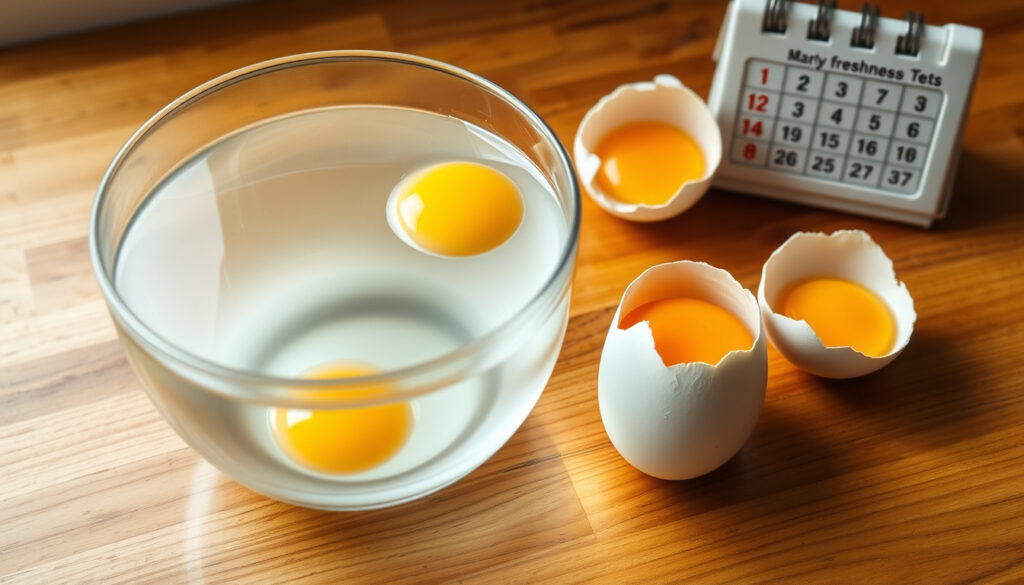
How to Know If Eggs Are Off – Simple Tests and Signs
Determining whether eggs are still safe to eat requires a combination of simple tests that anyone can perform at home. Whether you are checking a carton from the supermarket or eggs collected from backyard hens, understanding the signs of spoilage helps prevent foodborne illness and reduces unnecessary waste.
Eggs can harbor harmful bacteria, including Salmonella, if they are old, cracked, or improperly stored. The good news is that several reliable methods exist to assess freshness before you crack them open. This guide covers the most effective techniques, from the classic float test to sensory checks, along with storage guidelines that will help you make informed decisions in the kitchen.
How Can You Tell If Eggs Are Bad?
The most reliable way to assess egg freshness involves a combination of tests that can be performed quickly using items already in your kitchen. These methods work whether the eggs are refrigerated or stored at room temperature.
Sinks flat = fresh; stands = older; floats = discard
Neutral = fresh; sulfur/rotten = bad
Clean shells and intact membranes signal quality
Silent = fresh; rattling = old air cell
The Float Test Explained
The float test determines egg freshness by submerging the egg in a bowl of cold water deep enough to cover it completely. This method has been used for generations and provides immediate results.
If the egg sinks to the bottom and lies on its side, it is very fresh and ideal for scrambling, frying, or omelets. If it sinks but stands on its end or floats at an angle, it is older but still safe to eat, suitable for hard-boiling, baking, or recipes requiring separated eggs. If the egg floats to the top, it is too old and should be discarded.
As eggs age, air accumulates inside the shell through tiny pores. This air cell grows larger over time, eventually making the egg buoyant enough to float.
Visual and Physical Inspection
Before purchasing or using eggs, inspect the shells for cracks, dirt, or powdery spots. Discard cracked eggs immediately to avoid bacterial entry. Powdery residue may indicate age or improper storage conditions.
After cracking, fresh yolks are firm, rounded, and display an orange-yellow color, while bad yolks appear flat or discolored. Fresh egg whites are thick and cloudy; runny, watery whites indicate age or spoilage.
| Test | Fresh Sign | Older but Safe | Bad Sign |
|---|---|---|---|
| Float | Sinks flat on side | Stands or angles | Floats to surface |
| Shell | Clean, intact | Minor dirt | Cracked or powdery |
| Smell | Neutral odor | Faint scent | Sulfur or rotten gas |
| Yolk | Firm, rounded | Slightly flattened | Discolored, runny |
| White | Thick, cloudy | Thinner consistency | Very runny, watery |
What Does a Bad Egg Smell and Look Like?
The sense of smell is one of the most reliable indicators of egg spoilage. When eggs go bad, they produce distinct odors that are difficult to miss once you know what to look for.
The Smell Test
Crack the egg into a clean bowl and check for any off odors before cooking or consuming. A bad egg emits a distinctive sulfur smell reminiscent of rotten gas. Fresh eggs have a neutral, faint scent that poses no concern. USDA food safety guidelines recommend this sensory check as a primary defense against consuming spoiled eggs.
If an egg emits any sulfurous or unpleasant odor, it should be discarded immediately regardless of other freshness indicators.
Visual Signs of Spoilage
Beyond odor, several visual cues indicate that an egg has turned. Discoloration in either the yolk or white suggests bacterial activity or age. Greenish or grayish yolks, particularly when accompanied by an unpleasant smell, are a clear sign to discard the egg.
Runny whites that spread immediately across a plate indicate that the egg has aged significantly. While some thinning is normal as eggs age, extremely watery whites warrant caution.
How Long Do Eggs Last and When Are They Unsafe?
Understanding egg shelf life helps you plan purchases and avoid consuming products that have passed their prime. Storage conditions significantly impact how long eggs remain safe to eat.
Refrigerated Egg Storage
Refrigerated eggs last 4-5 weeks past the pack date when stored at 40°F (4°C) in their original carton. The carton protects eggs from moisture loss and light exposure, both of which accelerate aging. Store eggs in the refrigerator door or main compartment, but avoid the temperature fluctuations that occur when the door is opened frequently.
University extension services recommend keeping eggs in their original packaging to maintain freshness longer.
Room Temperature Storage
In the United States, washed eggs must be refrigerated promptly because the washing process removes the natural protective bloom (cuticle) that coats the shell. These washed eggs last about 2 hours at room temperature before bacterial risk increases significantly.
Unwashed farm eggs, which retain their natural cuticle, can last several weeks at cool room temperatures between 50-70°F. If you collect eggs from backyard chickens, they can be stored unrefrigerated if kept clean and cool.
The sell-by date indicates store guidance; eggs remain safe 3-5 weeks after this date when refrigerated. The use-by or EXP date represents the manufacturer’s freshness estimate. The Julian pack date, a 3-digit number from 001-365, indicates the production day—eggs are safe up to 30 days after this date. Always use these dates as freshness guides rather than strict safety absolutes.
Salmonella and Safety Risks
Salmonella risk in intact refrigerated eggs is extremely low, estimated at 0.00005% according to USDA data. However, this risk increases with cracked shells, extended storage, or improper temperature control. Cook eggs to an internal temperature of 160°F to eliminate any potential bacteria. Individuals with compromised immune systems should avoid consuming raw or undercooked eggs.
Cracked eggs should be discarded immediately regardless of their age or appearance. Even hairline cracks allow bacteria to enter the egg contents.
Egg Freshness Timeline
A visual timeline helps you understand the egg lifecycle from purchase to disposal, ensuring you use eggs at their peak quality.
- Purchase date: Note the pack date when buying eggs; this serves as your freshness baseline.
- Refrigeration: Store eggs at 40°F (4°C) immediately; place in main compartment for stable temperatures.
- Week 1-2: Eggs are at peak freshness; ideal for scrambling, frying, or poaching.
- Week 3-4: Eggs remain safe but may be better suited for hard-boiling or baking.
- Week 5+: Test before use; float test becomes more relevant for determining edibility.
- Discard point: If eggs float, smell off, or show visible spoilage, discard immediately.
What We Know and What Remains Unclear
| Established Information | Information That Remains Unclear |
|---|---|
| Sulfur smell definitively indicates spoilage | The float test indicates air cell size but not necessarily bacterial contamination |
| Cracked eggs should always be discarded | Exact shelf life varies based on initial egg quality and handling |
| Refrigerated eggs last 4-5 weeks past pack date | Precision of various expiration date systems across brands |
| Runny whites indicate age but not necessarily spoilage | How temperature fluctuations affect long-term egg safety |
Science Behind Egg Spoilage
Eggs naturally contain multiple defense mechanisms against bacterial invasion. The shell provides a physical barrier, while the cuticle (in unwashed eggs) seals pores and prevents moisture loss. Inside, antimicrobial properties in the egg white help inhibit bacterial growth during the first few weeks of storage.
As eggs age, these defenses gradually weaken. The air cell enlarges as moisture escapes through the shell. Bacterial populations, if present, may grow and produce hydrogen sulfide gas, which creates the characteristic rotten egg smell. Carbon dioxide also escapes through the shell, causing the egg white to thin over time.
Understanding these processes helps explain why storage conditions matter so much. A cold, stable refrigerator environment slows bacterial growth and moisture loss, extending safe consumption windows significantly.
“Eggs can be safe 3-5 weeks past the pack date when stored properly at 40°F.”
— USDA Food Safety and Inspection Service
Summary
Checking egg freshness requires a combination of methods, with the smell test being among the most reliable. The float test provides quick results, while visual inspection of shells and cracked contents offers additional confirmation. Refrigerated eggs remain safe for 4-5 weeks past their pack date, though always inspect before consuming when dates are extended.
For more food safety guidance and practical cooking tips, explore our related resources.
Frequently Asked Questions
Can you eat eggs past their expiration date?
Refrigerated eggs remain safe 3-5 weeks past their pack date if stored at 40°F. Always perform a freshness test—float, smell, or visual inspection—before using eggs near or past their expiration date.
What does it mean if the egg white is runny?
Runny whites indicate the egg has aged, as carbon dioxide escapes through the shell over time. While not necessarily unsafe, very thin whites suggest the egg is not fresh. Combine this observation with the float or smell test for a complete assessment.
Is it safe to eat cracked eggs?
No. Cracked eggs should be discarded immediately. Even hairline cracks allow bacteria to enter the egg, and the protective shell barrier is compromised. Never consume eggs with damaged shells, regardless of other freshness indicators.
How do washed and unwashed eggs differ for storage?
Washed eggs (standard in U.S. grocery stores) must be refrigerated because the washing process removes the protective cuticle. Unwashed eggs retain their natural coating and can be stored at room temperature for several weeks if kept clean and cool.
What is the Julian date on egg cartons?
The Julian date is a three-digit number (001-365) indicating the day of the year the eggs were packaged. For example, day 001 is January 1 and day 365 is December 31. Eggs remain safe to eat for about 30 days after the pack date.
Can Salmonella be present in fresh eggs?
While Salmonella risk is extremely low in intact refrigerated eggs (0.00005% per USDA data), contamination can occur. Proper refrigeration and cooking to 160°F internal temperature eliminate this risk. Immunocompromised individuals should exercise extra caution.
More related posts
 Flight to New Zealand from Ireland: Cheap Tip & Guide
 Trade Me Car Parts: NZ Buying & Selling Guide for Sellers
 HMNZS Manawanui Officers Face Charges Over Ship Sinking
 Giltrap Audi North Shore: Reviews, Used Cars & Awards
 WWE Hall of Fame 2025: Inductees & Ceremony Recap
 Cheapest Day to Buy Flights: Best Days & Times Revealed
 Best Gym Leggings with Pockets: Secure Phone Storage
 House for Sale in Hamilton: 2026 Market Prices & Trends