Carbon Credit Price NZ: Current NZU Price, Trends & Forecast 2026
Anyone watching New Zealand’s carbon market over the past two years has seen a story of extremes. In 2024 and 2025, NZU prices tumbled by more than a third, leaving landowners and investors wondering where the bottom was.
Current NZU Spot Price (April 30, 2026): $50.10 ·
ECMI Monthly Price Index: $47.76 ·
High/Low Today: $45.77–$47.76 ·
Price Change (Week): +0.91%
Quick snapshot
- Spot price ~$50 as of April 2026 (Carbon News, specialist energy media)
- ECMI index $47.76 (S&P Global Energy, market intelligence)
- Price dropped 34.58% YoY from Dec 2024 to Dec 2025 (S&P Global Energy)
- Future direction of NZ carbon prices (Kapiti Climate, carbon market analysis)
- Impact of NZD exchange rate on carbon price (Kapiti Climate, carbon market analysis)
- Long-term effect of government policy on auction volumes (Kapiti Climate, carbon market analysis)
- 2024: Prices decline due to oversupply and policy uncertainty (S&P Global Energy)
- Jan 2026: NZU hits NZ$32.85, lowest since July 2020 (Kapiti Climate)
- Feb 2026: Scarcity-driven rally pushes price to ~$48 (Carbon News) (S&P Global Energy)
- April 30, 2026: Settlement at $50.10 (S&P Global Energy)
- ANZ forecast: NZ$38–45/mt in short term (S&P Global Energy)
- Election focus may influence auction policy (S&P Global Energy)
- Potential tightening of auction reserves could support prices (S&P Global Energy)
Five key data points illustrate the state of the NZU market as of late April 2026.
| Metric | Value |
|---|---|
| Current NZU Spot Price | $50.10 (as of April 30, 2026) |
| Month-End Index (ECMI) | $47.76 |
| Weekly Change | +0.91% |
| Year-to-Date Range | $45.77 – $50.10 |
| Primary Source | Marex via Neon Carbon / emsTradepoint |
The 2026 rally has undone only part of the 2024–2025 slide. Prices remain well below the NZ$71 auction floor, which signals that the government still expects a much higher long-term price path.
What is the price of carbon credits today?
Current NZU spot price
- The NZU spot price on the secondary market settled at NZ$50.10 on April 30, 2026, according to emsTradepoint. This marks a recovery from the NZ$32.85 low seen in mid-January 2026 (Kapiti Climate, carbon market analysis).
- The Environmental Commodities Market Index (ECMI) published by Marex stood at $47.76 at month-end (Carbon News, specialist energy media).
- The daily trading range on April 30 was $45.77–$47.76, reflecting intraday volatility.
Comparison between secondary market and government auction prices
- Government auction prices have not cleared at the current level; the auction price floor is NZ$71 per tonne, and the NZ ETS has seen unsold units at recent auctions (Kapiti Climate).
- Secondary market prices trade at a significant discount to the floor, indicating that the market does not believe the floor will be met soon.
Where to find live price data
- Several platforms provide real-time NZU pricing: emsTradepoint, the Carbon News interactive chart (via MyNativeForest), and the S&P Global Platts assessment.
- Platts assessed NZUs at NZ$39.25/mt CO2e on December 12, 2025 (S&P Global Energy, market intelligence).
The implication: the secondary market is pricing in a significant discount to the government’s floor, reflecting doubts about near-term policy support.
Why is NZ carbon price dropping?
Policy changes and oversupply in 2024–2025
- The 2024–2025 price decline was driven by a combination of increased auction volumes and policy uncertainty. In 2024, the government announced it would distance the NZ ETS from the country’s Nationally Determined Contribution (NDC) targets, a move that S&P Global says caused prices to drop approximately 37% (S&P Global Energy, market intelligence).
- The year-over-year price fall from December 2024 to December 2025 was 34.58%, as measured by Platts (S&P Global Energy).
Contrast with early 2026 rally
- The early 2026 rally was unusual because it was driven not by strong demand but by a shortage of supply. Liz Kivi of Carbon News reported that “the 2026 NZU rally was driven more by absence of supply than by aggressive new demand” (Carbon News, specialist energy media).
- Delayed forestry registrations and reduced auction allowances contributed to the scarcity.
The supply scarcity that boosted prices in early 2026 may be temporary. If forestry registrations catch up or auction volumes expand again, the rally could reverse just as quickly.
What this means: the rally’s fragility means investors should not assume the $50 level is a new floor without supply-side changes.
How much do carbon credits cost per tonne?
NZU price per tonne vs voluntary carbon credits
- Standard NZUs trade at approximately NZ$50 per tonne on the secondary market, as of late April 2026. This is a compliance-grade unit within the NZ ETS.
- Voluntary carbon credits globally range from US$4 to US$27 per tonne, depending on project type and verification standard. NZU prices are substantially higher than most voluntary credits, reflecting the regulatory demand under the ETS.
Price range for native forest vs standard NZUs
- Native forest NZUs may trade at a slight premium or discount depending on certification and permanence requirements. Market data from MyNativeForest shows that native forest units are priced close to standard NZUs, but demand is growing due to biodiversity co-benefits.
Historical price context
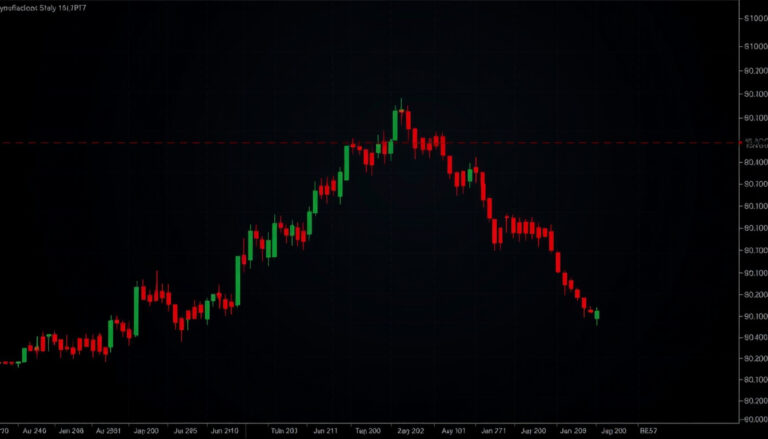
- The NZU price has fluctuated wildly in recent years: from a high of around NZ$80 in 2023 to a low of NZ$32.85 in January 2026 (Kapiti Climate, carbon market analysis). The current price of $50 is roughly in the middle of the historic range.
For a landowner considering afforestation, the gap between compliance NZUs (NZ$50) and voluntary credits (US$4–27) means the NZ ETS offers a much higher revenue stream on paper – but the volatility makes cash-flow planning difficult.
The pattern: compliance NZUs remain at a premium to voluntary credits, but the gap is narrowing as voluntary prices rise.
How much can you earn per acre with carbon credits?
Earnings from native forest regeneration on marginal land
- Carbon revenue from native forest depends on sequestration rates, which vary by species and region. According to the Carbon News (specialist energy media) analysis, landowners are increasingly factoring carbon payments into land-use decisions, though per-hectare calculations remain highly site-specific.
- For a typical native regeneration project on marginal hill country, annual sequestration of 5–10 tonnes CO2 per hectare is common. At current NZU prices, that translates to NZ$250–$500 per hectare per year before costs.
Traditional forestry (Pinus radiata) carbon revenue
- Exotic forestry like Pinus radiata initially generates higher carbon credits due to faster growth, but those credits are often front-loaded and traded at a discount due to lower biodiversity value. The NZ ETS treat exotic and native forests differently under permanent forest categories.
Factors affecting per-hectare income
- Land quality, tree species, location, and carbon price at the time of credit issuance all influence income. The NZD exchange rate also matters because some credits are traded in international markets.
The implication: per-hectare earnings are not a fixed number. Landowners should model multiple scenarios using current and forecast NZU prices before committing to carbon forestry.
What is the NZ carbon price forecast?
Short-term outlook (2026–2027)
- ANZ analysts expect NZU prices to trade within NZ$38–NZ$45/mt CO2e in the short term, according to S&P Global (S&P Global Energy, market intelligence). This suggests the current $50 level may be above the bank’s fair value.
- A foresters’ group representative predicted a possible recovery to around NZ$60 by end of February 2026, but that hasn’t materialized (S&P Global Energy).
Medium-term factors (2030 targets)
- New Zealand’s 2030 climate targets under the Paris Agreement will require deeper emissions cuts. If the government tightens auction volumes or raises the price floor, NZU prices could rise significantly. However, the current ETS design gives the government flexibility to adjust supply.
Expert opinions on price trajectory
- Carbon News notes uncertainty around future auction reserves and any potential international linking. The upcoming election in 2026 could shift policy direction.
The catch: the forecast range of $38–$50 suggests that current prices are at the upper end of expectations, not the start of a sustained uptrend.
Timeline of key events
- 2024: NZU prices decline due to increased auction volumes and policy uncertainty (S&P Global Energy).
- January 15, 2026: NZU price falls to NZ$32.85, the lowest since July 2020 (Kapiti Climate).
- February 2026: Scarcity-driven rally pushes NZU to near NZ$48 (Carbon News).
- April 30, 2026: Last settlement at $50.10 per tonne.
- Upcoming: Government auction calendar for 2026/2027; potential adjustments to auction reserves.
The timeline shows that the market’s pessimism in 2024–2025 was abruptly interrupted by supply constraints in early 2026.
What’s confirmed and what’s unclear
Confirmed facts
- Current spot price ~$50 (as of April 30, 2026) (Carbon News)
- Price dropped 34.58% year-over-year in 2025 (S&P Global Energy)
- Early 2026 rally attributed to supply scarcity (Carbon News)
What’s unclear
- Future direction of NZ carbon prices
- Impact of NZD exchange rate on carbon price
- Long-term effect of government policy on auction volumes
The balance of risk remains skewed: confirmed supply scarcity is temporary, while policy uncertainty persists.
Voices from the market
The early 2026 rally was driven more by absence of supply than by aggressive new demand.
Liz Kivi, Carbon News (specialist energy media)
New Zealand’s carbon market is poised for a steady recovery, but the election cycle adds a layer of policy risk that investors need to watch.
S&P Global Energy (market intelligence)
For those interested in the process, here’s a guide on how to make bread. how to make bread
The interactive NZU price chart on MyNativeForest gives landowners a real-time view of how their potential carbon revenue changes with every tick of the market.
MyNativeForest (carbon data platform)
The pattern across these voices: the supply side is the dominant driver right now, not demand. For landowners, that means the window of higher prices could close as quickly as it opened.
regreener.earth, carbonnews.co.nz, mynativeforest.com, climatecommission.govt.nz, carbon-pulse.com
Frequently asked questions
Where can I find the live NZU price?
Live NZU prices are available on emsTradepoint, the Carbon News interactive chart (via MyNativeForest), and the S&P Global Platts assessment. These platforms update in near real-time during trading hours.
Why did NZ carbon price drop in 2024?
The 2024 drop was driven by increased auction volumes and the government’s decision to weaken the link between the ETS and national emissions targets. Prices fell approximately 37% after that policy change (S&P Global Energy).
What caused the 2026 NZU rally?
The early 2026 rally was caused by a shortage of supply – delayed forestry registrations and reduced auction allowances – not by a surge in demand. Prices recovered from NZ$32.85 to nearly NZ$48 in a few weeks (Carbon News, specialist energy media).
How does NZ carbon price compare to global voluntary markets?
NZU prices (around NZ$50/tonne) are higher than most voluntary carbon credits, which trade at US$4–$27 per tonne. The difference reflects the regulatory demand under the NZ ETS.
What is the difference between standard NZUs and native forest NZUs?
Standard NZUs can come from any eligible activity, including exotic forestry. Native forest NZUs come from permanent native forests and may carry premium pricing due to biodiversity co-benefits. Both trade on the same secondary market.
Are carbon credit prices expected to rise in 2026–2027?
ANZ forecasts NZ$38–$45/mt in the near term, below current spot. Medium-term prices depend on government policy, auction volumes, and whether the 2030 targets lead to tighter supply.
For New Zealand landowners, carbon farming offers a new revenue stream, but its volatility and policy dependence mean that locking in a price through forward contracts may be wiser than betting on a continued rally.
For investors, the key question remains whether the government will adjust auction volumes to support the floor price.
For anyone invested in New Zealand’s carbon market – whether through forestry, trading, or policy – the next 12 months will be decisive. The choice is clear: accept the short-term volatility and plan for a mid-range equilibrium around NZ$40–$50, or hold out for a policy-driven recovery that may never arrive.
If you’re interested in broader market trends, see our NZ Share Market Today analysis and What Is Global Warming article for climate policy context.
For landowners and investors, the next 12 months will test whether the current price level is sustainable or just a temporary reprieve.
More related posts
 Rugby TV Live Stream Free: Watch Live Rugby Today Online
 How to Fix Windows Update Error (5 Methods)
 What is a Travel Adapter? Guide to Adapter vs Charger vs Converter
 Punjab Kings vs Rajasthan Royals Match Scorecard IPL 2026
 Redmi 1S to Buy: Price, Specs & Is It Still Worth It
 iPhone 16 Pro: Discontinued but Still Worth It in Ireland
 M&S UK Online Orders: Status, Discounts, and Website Updates
 Head and Shoulders Pattern: Rules and How to Trade