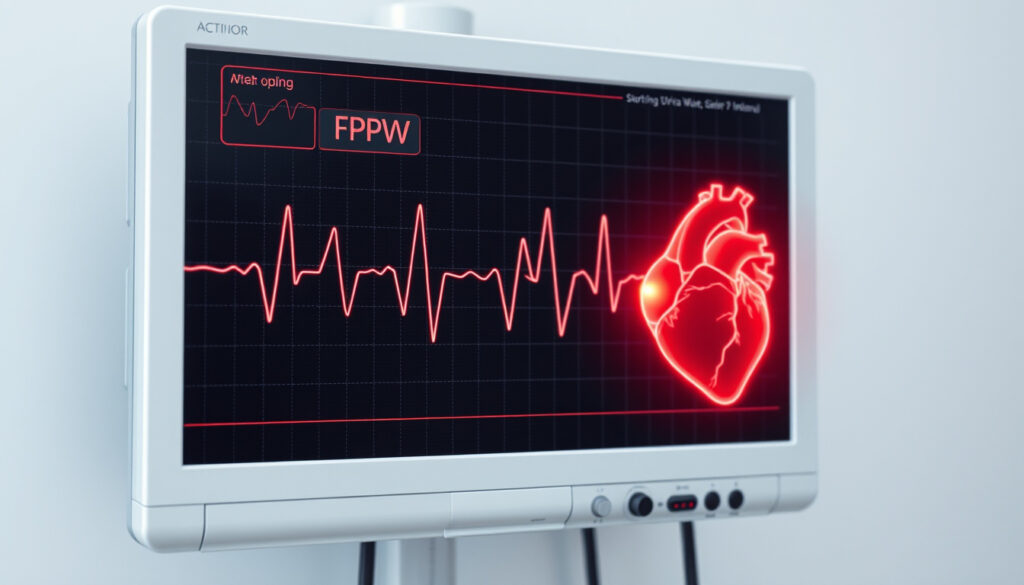
Wolff-Parkinson-White Syndrome: Causes, Symptoms & Treatment
If your heart occasionally races for no clear reason, you might assume it’s stress or too much coffee. But for roughly 1 in 1,000 people, the cause is structural—a congenital extra electrical pathway in the heart that can trigger dangerously fast rhythms. Most cases are manageable, and the condition is often curable with a straightforward procedure. Below is a practical guide to understanding Wolff-Parkinson-White syndrome, backed by leading cardiology sources.
Condition type: pre-excitation syndrome · Primary cause: extra electrical pathway in heart · Common effect: rapid heartbeat episodes · Typical presentation: congenital · Treatment option: catheter ablation
Quick snapshot
- Congenital accessory pathway causes rapid rhythms (Mayo Clinic)
- ECG shows delta wave and short PR interval (NCBI StatPearls)
- Catheter ablation cures >94% of cases (Cleveland Clinic)
- Exact triggers for episodes vary by individual (NCBI StatPearls)
- Long-term outcomes data beyond 10 years post-ablation limited (NCBI StatPearls)
- PACES/HRS consensus (2012): first guidelines for asymptomatic young patients (DICardiology)
- ACC pediatric algorithms (2025) shift away from watchful-waiting default (DICardiology)
The table below consolidates the core medical facts about WPW syndrome from leading cardiology sources.
| Key Fact | Detail |
|---|---|
| Medical name | Wolff–Parkinson–White syndrome (WPW) |
| Affected system | Heart electrical conduction |
| Key feature | Accessory pathway bypassing AV node |
| Prevalence | 1 in 1,000 people |
| Top source | Mayo Clinic |
| Typical symptom onset | Adults aged 30–50 years |
What is the cause of Wolff-Parkinson-White syndrome?
WPW syndrome results from an accessory electrical pathway between the atria and ventricles that bypasses the AV node. This extra route allows electrical impulses to reach the ventricles faster than normal, causing pre-excitation. The pathway arises from improper early atrial and ventricular folding during cardiac embryogenesis, meaning the condition is present from birth, though symptoms may not appear for decades.
Accessory electrical pathway
The accessory pathway—sometimes called the Bundle of Kent—creates a short circuit in the heart’s normal conduction system. Rather than filtering impulses through the AV node, signals race through this extra route, producing the characteristic delta wave on an ECG. According to the NCBI StatPearls medical reference resource, this anatomic abnormality is the defining feature of WPW.
Congenital factors
The embryologic origin means WPW is not caused by lifestyle, diet, or environmental factors. Mayo Clinic notes that most people with the condition are born with it, though it often goes undetected until adulthood. A family history of WPW is uncommon but possible, suggesting some genetic predisposition in certain cases.
Is Wolff-Parkinson-White syndrome serious?
For most patients, WPW is not a life sentence. The UK National Health Service states that the condition is usually not serious, but treatment becomes necessary when symptoms occur. The real concern lies in specific risk scenarios: if the accessory pathway conducts rapidly during atrial fibrillation, the result can be life-threatening ventricular fibrillation.
Risk of rapid heartbeats
Episodes of tachycardia—heart rates exceeding 200 beats per minute—are the hallmark symptom. Palpitations, dizziness, and shortness of breath often bring patients to medical attention. The Cleveland Clinic Journal of Medicine identifies several high-risk groups: males under 30, those with prior atrial fibrillation, family history of sudden cardiac death, congenital heart disease, or occupations where arrhythmia-related syncope could endanger others.
Sudden cardiac events
The risk of sudden cardiac death in WPW patients is real but relatively low—estimated at less than 1% annually in symptomatic patients without intervention. Risk stratification involves electrophysiology study to measure the shortest pre-excited R-R interval (SPERRI); values below 240 milliseconds indicate high-risk pathways requiring ablation, per DrOracle clinical guidance. Critically, IV amiodarone should never be given in acute atrial fibrillation with WPW, as it can trigger ventricular fibrillation, according to NCBI StatPearls medical reference.
Most WPW patients live normal lives without intervention—but the small percentage who develop atrial fibrillation face a genuine arrhythmia emergency. The calculus differs sharply between asymptomatic discovery and symptomatic presentation.
What is the life expectancy of someone with Wolff-Parkinson-White syndrome?
With proper management, patients with WPW syndrome have a normal life expectancy. The key variable is whether the condition is appropriately treated and whether high-risk features are identified early. A 2015 study by Bunch et al. found that catheter ablation reduced mortality risk in asymptomatic WPW patients, establishing the long-term benefit of intervention, as reported by the Cleveland Clinic Journal of Medicine.
With treatment
Catheter ablation eliminates the accessory pathway in over 94% of cases, according to Cleveland Clinic health information. Johns Hopkins Medicine reports cure rates exceeding 96%. Once the pathway is successfully ablated, patients are effectively cured—no longer requiring medications or facing arrhythmia risk. The Johns Hopkins medical center data confirms these outcomes.
Without episodes
Patients with incidentally discovered WPW pattern who never experience symptoms have a low annual risk of adverse events. However, the 2024 Heart Rhythm Society expert consensus recommends against assuming safety without proper evaluation. The ACC clinical cardiology updates notes that sudden cardiac death can occur during routine daily activities, even in previously asymptomatic individuals.
Long-term mortality in untreated WPW pattern is comparable to matched controls—but only if no high-risk features exist. Ablation meaningfully shifts that risk profile downward for both symptomatic and high-risk asymptomatic patients.
What should people with WPW avoid?
Patients with WPW syndrome must avoid specific medications that can slow conduction through the AV node while leaving the accessory pathway unaffected—effectively worsening the short-circuit. The mnemonic ABCDD summarizes contraindicated drugs: adenosine, beta-blockers, calcium channel blockers, digoxin, and similar agents. These are standard treatments for other arrhythmias but dangerous in WPW.
Certain medications
Adenosine, often used to terminate supraventricular tachycardia, works by blocking the AV node—but since WPW bypasses the AV node, adenosine cannot reach the accessory pathway and may paradoxically accelerate conduction. Calcium channel blockers and beta-blockers carry the same risk. Digoxin is similarly contraindicated. Per NCBI StatPearls medical reference, procainamide is the preferred antiarrhythmic when drug therapy is needed, as it acts on the accessory pathway directly.
Stimulants
Caffeine, energy drinks, and stimulant medications can trigger episodes in some WPW patients by increasing heart rate and autonomic nervous system activity. While evidence isn’t universal, many electrophysiologists counsel moderation. Healthdirect Australian health service recommends discussing specific dietary triggers with a cardiologist. Alcohol binge drinking is another common trigger for arrhythmias and warrants caution.
Never accept adenosine, beta-blockers, calcium channel blockers, or digoxin for WPW-related symptoms without confirming the diagnosis is something other than WPW. These medications can be fatal when given during atrial fibrillation with a functioning accessory pathway.
What this means: Patients who receive standard SVT drugs without WPW ruled out first face potentially fatal consequences.
What are the first signs of WPW syndrome?
The initial presentation of WPW syndrome typically involves episodic tachycardia—the heart suddenly racing to rates between 180 and 300 beats per minute. These episodes often begin without warning and may last seconds to hours. UK National Health Service data shows symptoms most commonly emerge in adults aged 30–50, though they can occur at any age including childhood.
Heart palpitations
Palpitations—a sensation of fluttering, pounding, or irregular heartbeats—are the most common presenting symptom. Patients often describe a sudden “flip-flopping” in the chest or the feeling that the heart is racing out of control. The Cleveland Clinic health information confirms palpitations as the leading symptom that brings patients to medical attention.
Dizziness
When tachycardia persists, reduced cardiac output triggers presyncope (near-fainting) or syncope (fainting). Dizziness may occur even without fully losing consciousness, particularly during or after episode termination. The Cleveland Clinic Journal of Medicine notes that syncope occurs in a significant minority of WPW patients and often prompts emergency evaluation.
- Chest pain or pressure during rapid heart rate
- Shortness of breath alongside palpitations
- Fatigue following tachycardia episodes
How is Wolff-Parkinson-White syndrome diagnosed?
The 12-lead ECG is the cornerstone of WPW diagnosis. The characteristic findings include a short PR interval (less than 120 milliseconds) and a slurred QRS upstroke called the delta wave. These electrical signatures reflect the accessory pathway’s bypass of normal AV node delay. For complex cases, electrophysiology study provides definitive mapping of the pathway location and conduction properties.
ECG interpretation
The delta wave is the visual hallmark of WPW—the “ramp” of early ventricular activation before the main QRS complex. WPW patients may also show an offset baseline, T wave changes, or intermittent patterns if the accessory pathway conducts intermittently. NCBI StatPearls medical reference details these ECG criteria as diagnostic standards.
Electrophysiology study
An EP study involves catheter placement within the heart to map electrical activity directly. It determines pathway location, refractory periods, and risk stratification. Per 2015 ACC/AHA/HRS guidelines cited in NCBI StatPearls medical reference, EP study is reasonable for asymptomatic patients in high-risk occupations where sudden incapacitation could harm others.
The implication: A normal ECG in someone with symptoms doesn’t rule out WPW—intermittent pathways may only appear during certain heart rates.
How is Wolff-Parkinson-White syndrome treated?
Catheter ablation is the definitive first-line treatment for symptomatic WPW patients. The procedure uses radiofrequency energy via a cardiac catheter to destroy the accessory pathway tissue. Cleveland Clinic health information reports cure rates exceeding 94%, and Johns Hopkins Medicine confirms rates above 96% in experienced centers.
Catheter ablation procedure
During ablation, a catheter is threaded to the heart through blood vessels, the accessory pathway is precisely localized, and targeted radiofrequency energy eliminates the abnormal tissue. Success depends on pathway location—septal pathways carry slightly lower success rates and higher complication risks. Major complications occur in fewer than 1-2% of cases in experienced centers, per Johns Hopkins medical center data.
Medications and acute management
For acute tachycardia, vagal maneuvers (Valsalva, carotid sinus massage) are attempted first. If these fail, IV procainamide is the preferred agent, as it slows accessory pathway conduction without AV node blockade risk. Cardioversion with controlled electrical shocks restores normal rhythm when drugs fail or in unstable patients. British Heart Foundation cardiac charity outlines these acute management approaches.
The pattern: Unlike most arrhythmias where rate control is the goal, WPW treatment requires eliminating the pathway entirely—medications manage symptoms but don’t address the root problem.
How does pediatric WPW management differ?
Children with WPW require specialized protocols that account for size, development, and risk tolerance differences. The ACC 2025 pediatric algorithms stratify asymptomatic patients by weight: those under 20 kg with normal echocardiogram typically receive observation with serial ECG and Holter monitoring, while those 20 kg or heavier undergo direct echocardiographic assessment.
Weight-based protocols
The weight threshold of 20 kilograms reflects procedural risk considerations for catheter ablation in smaller patients. ACC clinical cardiology updates guidelines note that ablation is recommended for all symptomatic pediatric patients regardless of weight, reflecting the unacceptable risk of recurrent tachycardia in growing children.
Watchful waiting shift
The traditional approach of default observation for asymptomatic pediatric WPW is no longer universally supported. Evidence showing sudden cardiac death risk in prepubertal and pubertal ages—precisely when children cannot reliably report symptoms—has driven this paradigm shift. The 2012 PACES/HRS expert consensus statement (published May 14, 2012) provided the first formal guidelines for this age group, as documented by DICardiology professional journal.
Watchful waiting is no longer universally accepted as the default position regarding asymptomatic pediatric patients with WPW.
Related reading: St Johns First Aid Course · Night Sweats in Women
Frequently asked questions
What triggers Wolff-Parkinson-White syndrome episodes?
Triggers vary between patients. Common precipitants include caffeine, alcohol, stress, intense exercise, and occasionally specific medications. Some patients report episodes with no identifiable trigger. Healthdirect Australian health service notes that the accessory pathway conducts impulses faster than normal, so anything that increases autonomic tone or heart rate can initiate a tachycardia circuit.
What are the red flags of Wolff-Parkinson-White syndrome?
Red flags include syncope during tachycardia, episodes exceeding several minutes, chest pain during palpitations, and any history of atrial fibrillation in a young patient without other risk factors. Cleveland Clinic Journal of Medicine identifies males under 30 with prior AF history, family history of sudden cardiac death, congenital heart disease, or high-risk occupations as elevated-risk groups requiring urgent evaluation.
What does Wolff-Parkinson-White syndrome ECG show?
WPW ECG shows three hallmarks: a short PR interval (under 120 ms), a delta wave (slurred QRS upstroke), and a widened QRS complex overall. These findings reflect pre-excitation—the ventricles activate early via the accessory pathway before normal AV node conduction completes. NCBI StatPearls medical reference defines these diagnostic criteria.
What are Wolff-Parkinson-White syndrome types?
WPW is classified by accessory pathway location: left lateral, left posterior, septal (para-Hisian), and right free wall pathways. Septal pathways are most common and carry the highest clinical significance because of proximity to the conduction system. Pathway location determines procedural complexity and success rates—septal ablations carry slightly lower success and higher AV block complication risk than free-wall pathways.
How does Wolff-Parkinson-White syndrome relate to SVT?
WPW is a form of supraventricular tachycardia (SVT), but not all SVT is WPW. The distinction matters for treatment: standard SVT drugs like beta-blockers and calcium channel blockers are contraindicated in WPW with atrial fibrillation. When WPW presents as AV reentrant tachycardia (AVRT)—the most common arrhythmia circuit—it mimics typical SVT but requires different management than AV nodal reentrant tachycardia.
Wolff-Parkinson-White syndrome foods to avoid?
No specific foods are universally prohibited in WPW, but moderation applies. Caffeine from coffee, energy drinks, and highly caffeinated beverages may trigger episodes in susceptible patients. Alcohol—particularly binge drinking—can precipitate arrhythmias. Healthdirect Australian health service recommends discussing individualized dietary triggers with your cardiologist. There’s no evidence that dietary changes alone prevent WPW episodes.
Can adults develop Wolff-Parkinson-White syndrome?
WPW is congenital—the accessory pathway is present from birth. However, many adults live for decades without symptoms and are diagnosed incidentally during ECG for other purposes. The UK National Health Service confirms that symptoms typically emerge in adults aged 30–50, meaning adult diagnosis is common even though the condition existed from childhood.
Can people with WPW exercise?
The 2024 HRS expert consensus does not restrict WPW patients from physical activity, noting that sudden cardiac death can occur during daily living regardless of exertion. ACC clinical cardiology updates recommends considering ablation for athletes with WPW pattern on ECG. Post-ablation, there are no activity restrictions once recovery is complete.
Catheter ablation of the accessory pathway is the first-line definitive treatment for all symptomatic WPW patients, with a success rate exceeding 95%.
— Praxis Medical Insights (Clinical Guideline Summary)
Watchful waiting is no longer universally accepted as the default position regarding asymptomatic pediatric patients with WPW.
— ACC Quality Working Group (Pediatric Cardiology Experts)
Upsides
- Catheter ablation cures >94% of cases
- Normal life expectancy with appropriate management
- Clear diagnostic ECG findings—easy to confirm
- Established treatment protocols across all age groups
- 2025 pediatric algorithms improve risk stratification
Downsides
- Risk of sudden cardiac death if atrial fibrillation develops
- Many medications contraindicated
- Asymptomatic cases require evaluation to rule out high-risk features
- Septal pathway ablation carries higher complication risk
- Management of asymptomatic patients remains debated
For patients diagnosed with WPW syndrome—whether through symptoms or incidental ECG finding—the path forward is clear: symptomatic individuals should pursue ablation, while asymptomatic patients need risk stratification via electrophysiology study if any high-risk features exist. The condition is curable in the vast majority of cases, and even without intervention, most patients live normal lives. The exception—those with high-risk pathway properties—requires timely intervention to prevent catastrophic outcomes. Knowing your status via ECG is the non-negotiable first step.
More related posts
 Home Loan Rates Drop: Will They Fall to 3%? | 2025 Predictions
 How to Check Prezzy Card Balance Online (Free & Phone Options)
 Public Trust NZ Bill Dispute: How to Complain About Fees
 No Deposit Free Spins NZ 2025: Verified Real Money Offers
 Spanish Language Classes Near Me for Seniors
 Tolaga Bay Area School – Facts, Location and Key Stats
 Insurance for a Trip: Cheapest & Best Ireland Options