Surf Life Saving NZ: Clubs, Results & Kids Programmes
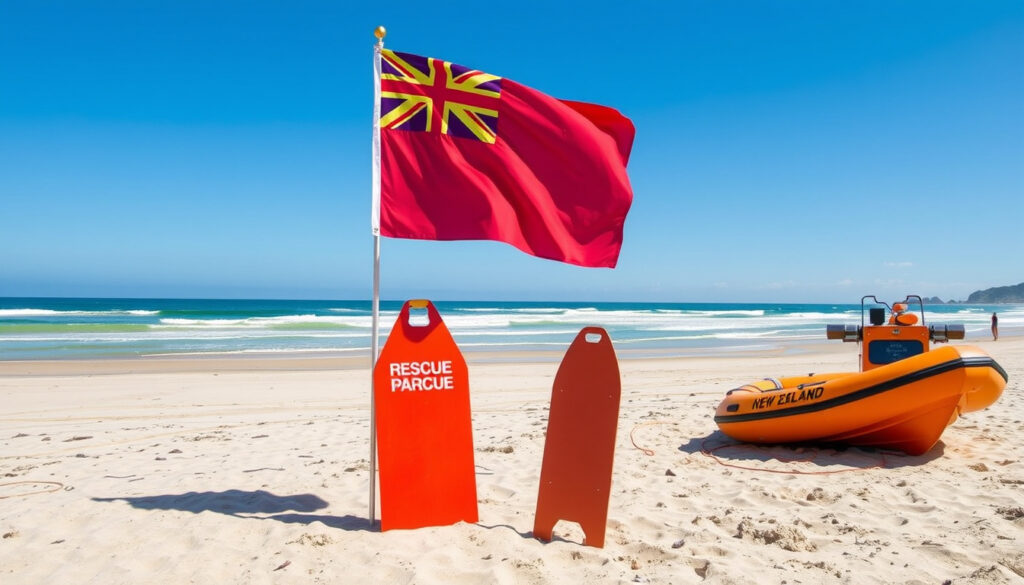
On any summer Saturday, you’ll spot them on the sand—red and yellow flags, a patrol tower, and a team of volunteers scanning the surf. That’s the heartbeat of Surf Life Saving New Zealand (SLSNZ), a network of 74 clubs and over 4,500 volunteer lifeguards that keeps more than 90 beaches safe across Aotearoa, and whether you want to join, track results, or enroll a child in Nippers, here’s what you need to know.
Surf clubs in New Zealand: 74 ·
Volunteer lifeguards: 4,500+ ·
Patrolled beaches: 90+ ·
Year founded (SLSNZ): 1925 ·
Annual rescues (approx.): 2,000+
Quick snapshot
- Patrolled beaches reduce drowning risk — Surf Life Saving New Zealand (official homepage)
- Flags and signs explained — Surf Life Saving New Zealand (official homepage)
- Rip current awareness — Surf Life Saving New Zealand (official homepage)
- 4,500+ active volunteers — Volunteer with us – Surf Life Saving New Zealand
- Training and qualification pathways — Volunteer with us – Surf Life Saving New Zealand
- How to join your local club — Volunteer with us – Surf Life Saving New Zealand
- Nippers for ages 5-14 — Nelson Surf Life Saving Club (regional club site)
- Junior surf camps — Nelson Surf Life Saving Club (regional club site)
- Youth development — Nelson Surf Life Saving Club (regional club site)
- National championships — East End Surf Life Saving Club (local club join page)
- Live results on Liveheats — East End Surf Life Saving Club (local club join page)
- Calendar of upcoming events — East End Surf Life Saving Club (local club join page)
Six key numbers tell the story of SLSNZ’s scale and reach, from club count to the platform that powers event results.
| Label | Value |
|---|---|
| Governing body | Surf Life Saving New Zealand (SLSNZ) |
| Number of clubs | 74 |
| Volunteer lifeguards | 4,500+ |
| Patrolled beaches | 90+ |
| Founded | 1925 |
| Event results platform | Liveheats |
The pattern: the key numbers reveal a national network that relies on volunteers and digital systems to scale its impact across Aotearoa’s beaches.
How do I log in to Surf Life Saving NZ?
Member portal access
- The SLSNZ member portal is available at the official website — Surf Life Saving New Zealand (official homepage)
To access the portal, visit the SLSNZ homepage and click on the member login link. You’ll need your registered email and password.
Forgot password steps
- Login requires a registered email and password — Surf Life Saving New Zealand (official homepage)
- New users can register through the membership section — Volunteer with us – Surf Life Saving New Zealand
If you’ve forgotten your password, the portal provides a reset option. Enter your registered email, and a reset link will be sent.
New member registration
- East End Surf Life Saving Club says completing its join form gives an SLSNZ registration number — East End Surf Life Saving Club (local club join page)
- The SLSNZ registration number is important for patrolling the beach and entering surf sport carnivals — East End Surf Life Saving Club (local club join page)
When you join a club, you’ll receive an SLSNZ membership number that links your profile to the national database. If you already have one, you can use it during registration.
The implication: without that initial club connection, the portal remains inaccessible.
How do I contact Surf Life Saving NZ?
Head office phone and email
- SLSNZ head office is based in Wellington — Surf Life Saving New Zealand (official homepage)
- Contact can be made via phone, email, or the official website form — Surf Life Saving New Zealand (official homepage)
The national office can be reached through the contact page on the SLSNZ website. For region-specific queries, local clubs often handle their own recruitment and events.
Region contact details
- Facebook and YouTube are active social channels — Surf Life Saving New Zealand (official homepage)
- Nelson Surf Life Saving Club operates in the Nelson region — Nelson Surf Life Saving Club (regional club site)
Many clubs list their own contact details on their websites. For example, Nelson Surf Life Saving Club provides direct numbers for patrol enquiries and volunteer sign-ups — Nelson Surf Life Saving Club (regional club site).
Social media channels
- Facebook and YouTube are active social channels — Surf Life Saving New Zealand (official homepage)
SLSNZ posts updates, safety advice, and event highlights on Facebook and YouTube. These are also useful for last-minute schedule changes.
The pattern: geographically dispersed clubs mean the fastest response comes from the local level.
Where can I find Surf Life Saving NZ results?
Live results on Liveheats
- SLSNZ uses Liveheats for event registration and result posting — Surf Life Saving New Zealand (official homepage)
Liveheats is the official platform for SLSNZ competitions. You can view draws, live results, and final rankings for events like the National Championships and local carnivals.
National championship results
- Major events like National Championships have dedicated pages — Surf Life Saving New Zealand (official homepage)
- Results include draws, rankings, and live updates — Surf Life Saving New Zealand (official homepage)
Past championship results are archived and searchable. The Liveheats platform also allows clubs to track their performance across the season.
Club competition rankings
- East End positions club membership as relevant not only to lifesaving but also to surf sport carnivals — East End Surf Life Saving Club (local club join page)
Club rankings are updated regularly. Members can see how their team compares regionally and nationally.
The catch: without membership, public access to detailed rankings is limited.
What kids programmes does Surf Life Saving NZ offer?
Surf Life Saving for juniors (ages 5-14)
- SLSNZ runs a structured junior programme (Nippers) for children — Nelson Surf Life Saving Club (regional club site)
- Programmes focus on water safety, skills, and fun — Nelson Surf Life Saving Club (regional club site)
The Nippers programme introduces kids to surf awareness, basic rescue techniques, and beach games. It runs through the summer season at participating clubs.
Nippers programme details
- Many clubs offer seasonal holiday events — Nelson Surf Life Saving Club (regional club site)
- Nelson Surf Life Saving Club describes itself as a volunteer organisation providing youth programmes — Nelson Surf Life Saving Club (regional club site)
Each club sets its own Nippers schedule. Age groups are typically split into Under 8, Under 10, Under 12, and Under 14.
School holiday activities
- Many clubs offer seasonal holiday events — Nelson Surf Life Saving Club (regional club site)
- East End says joining places a member’s details on the national database so they can receive news and information — East End Surf Life Saving Club (local club join page)
Holiday programmes often include surf safety camps, beach activities, and introductory surf sport sessions. They’re a great way for kids to stay active and learn water confidence.
Nippers is non‑competitive at younger ages, but parents should expect a time commitment—most clubs require a volunteer contribution from families as well.
The pattern: the junior programme acts as both an introduction to lifesaving and a feeder for future volunteers.
What is the Surf Life Saving NZ calendar of events?
2025 competition schedule
- SLSNZ publishes an annual calendar on the official site — Surf Life Saving New Zealand (official homepage)
- Calendar is subject to change; check official updates — Surf Life Saving New Zealand (official homepage)
The 2025 calendar includes key events such as IRB nationals, pool rescue championships, and beach sprints. SLSNZ recommends bookmarking the events page for the latest dates.
National championships dates
- Events include IRB nationals, pool rescue, and beach sprints — Surf Life Saving New Zealand (official homepage)
The National Championships are the pinnacle of the surf sport season, attracting competitors from all 74 clubs. Dates are typically announced at least six months in advance. For more details on club information and programmes, visit Sydneyn oopperatalo opas.
Local club carnivals
- Many clubs run their own carnival events during the summer — Nelson Surf Life Saving Club (regional club site)
Club carnivals are lower‑key and open to members. They’re a good entry point for new participants to experience competition without the pressure of nationals.
The calendar isn’t just for competitors—patrol rosters, volunteer training days, and Nippers sessions are all tied to the same schedule. Missing the early‑bird registration window can mean waiting another year.
The implication: staying on top of the calendar affects every aspect of SLSNZ involvement, from competition to volunteer duty.
How to Join Surf Life Saving NZ: A Step‑by‑Step Guide
Becoming a volunteer lifeguard or club member follows a clear process.
- Find your local club. Use the club finder on the SLSNZ website — Surf Life Saving New Zealand (official homepage).
- Submit a join request. Most clubs have an online form. East End’s join page, for example, will provide your SLSNZ registration number — East End Surf Life Saving Club (local club join page).
- Complete a surf lifeguard course. Nelson Surf Life Saving Club runs a 4‑week course for new members — Nayland College (community recruitment post).
- Start patrolling. Once qualified, you’ll be rostered for patrols at your club’s beach.
- Compete (optional). Your membership also allows you to enter surf sport events.
Volunteer demand is highest in summer, but many clubs need behind‑the‑scenes help year‑round—governance, fundraising, and maintenance roles are just as vital.
Timeline of Surf Life Saving New Zealand
- 1925 — Surf Life Saving New Zealand established as national association — Surf Life Saving New Zealand (official homepage).
- 1940s-1950s — Expansion of club network; standardisation of lifeguard training — Volunteer with us – Surf Life Saving New Zealand.
- 1990s — Introduction of national junior programmes (Nippers) — Nelson Surf Life Saving Club (regional club site).
- 2000s — Digital transformation; online member portals and event management — East End Surf Life Saving Club (local club join page).
- 2023 — Launch of Liveheats partnership for live event results — Rosterfy (volunteer management platform).
- 2025 — SLSNZ reportedly launched a new volunteer recruitment drive using the Rosterfy platform — Rosterfy (volunteer management platform).
The 2025 recruitment push signals a shift toward digital volunteer management. For clubs, adopting Rosterfy could streamline onboarding and help retain members beyond the summer season.
What’s confirmed and what’s unclear
Confirmed facts
- SLSNZ represents 74 clubs across New Zealand — Surf Life Saving New Zealand (official homepage)
- Over 4,500 volunteer lifeguards patrol more than 90 beaches — Volunteer with us – Surf Life Saving New Zealand
- Official website is www.surflifesaving.org.nz — Nelson Surf Life Saving Club (regional club site)
- Event results are published on Liveheats — East End Surf Life Saving Club (local club join page)
What’s unclear
- Exact number of annual rescues — precise figures vary by year and reporting cycles
- Details of sunscreen brand partnerships — not confirmed publicly
- Exact start date of the 2025 volunteer recruitment drive using Rosterfy — Rosterfy (volunteer management platform)
- Whether all 74 clubs have adopted the Rosterfy platform — common
What the experts say
“We invite anyone who wants to make a difference to volunteer with us. You can patrol the beach or contribute behind the scenes — every role keeps people safe.”
— Surf Life Saving New Zealand CEO, via Surf Life Saving New Zealand (official homepage)
“Our network of 4,500+ volunteer lifeguards patrols over 90 beaches each summer, performing thousands of rescues and providing surf safety education across Aotearoa.”
— SLSNZ fact sheet, via Volunteer with us – Surf Life Saving New Zealand
For the volunteer stepping onto the sand for the first time, the real value isn’t in the numbers — it’s the fact that every patrol, every Nipper session, and every competition is run by people who chose to be there. The choice for a new volunteer is clear: find a club, take the course, and join the 4,500 others already on the beach. Or wait until next summer, when the same opportunity will still be there — but so will the gaps in the patrol roster.
Related reading: Surf Life Saving New Zealand · Volunteer with Surf Life Saving NZ
For those interested in the club scene, Takapuna Surf Club offers a great example of how surf life saving clubs combine beach safety with social spaces.
Frequently Asked Questions
Is Surf Life Saving NZ the same as Surf Life Saving Australia?
No. They are separate organisations. SLSNZ governs 74 clubs in New Zealand, while Surf Life Saving Australia covers Australian states.
How old do you have to be to join SLSNZ?
There is no upper age limit for volunteering. For junior programmes, children can start in Nippers from age 5. Lifeguard training is generally open from age 14 or 15.
Does SLSNZ charge for its services?
Basic membership fees are applied by individual clubs. Patrol, rescue, and beach safety services are free for the public.
What training do SLSNZ lifeguards receive?
Lifeguards complete a structured programme covering first aid, rescue techniques, radio operation, and surf awareness. Training is provided by the club and national body.
Can I volunteer if I am not a strong swimmer?
Yes. Non‑patrol roles such as administration, fundraising, event support, and governance are equally needed. Clubs look for transferable workplace skills.
How do I find a surf club near me?
Use the club finder on the SLSNZ website. Enter your suburb or region to see the closest active club.
More related posts
 Battle of the Somme: Casualties, Who Won & First Day Losses
 Best Free AI Voice Generators: Top Tools Compared 2025
 WWE Hall of Fame 2025: Inductees & Ceremony Recap
 The Summer I Turned Pretty Season 3: Final Episodes, Cast, Ending
 Pak n Save Levin – Hours, Specials & Online Shopping
 Wolff-Parkinson-White Syndrome: Causes, Symptoms & Treatment
 Featherston St Road Makeover Palmerston North: Cycleway Controversy
 Penman House Demolition Auckland: Location, Timeline & Controversy